
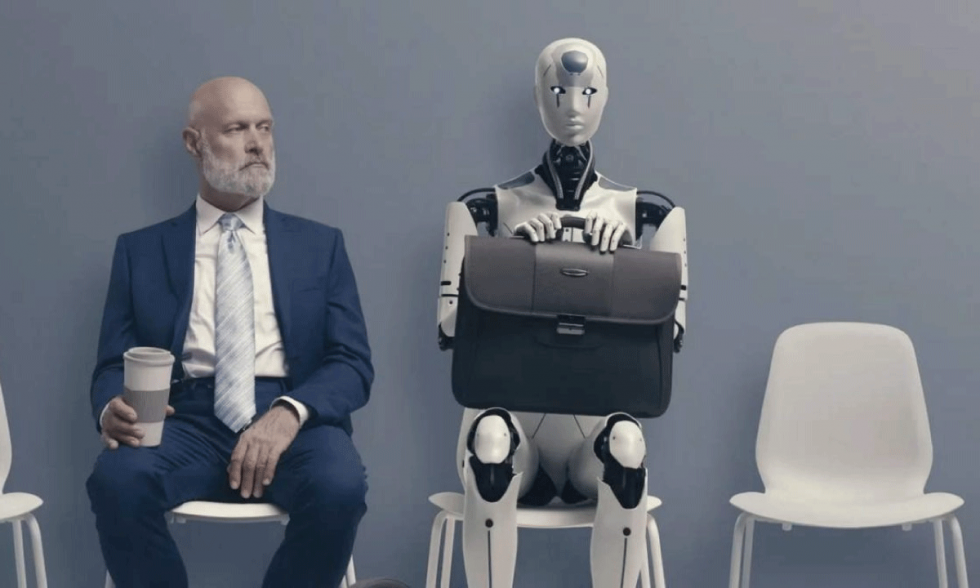
As artificial intelligence reshapes the labor market, skills once overlooked are becoming critical assets for employability and business performance. This shift is redefining how education systems and employers identify and develop talent.

Google Chrome unveils Auto Browse powered by Gemini 3, an AI-driven feature that automates multi-step tasks across the web and reimagines browser-based workflows. The rollout signals a shift toward more autonomous, context-aware digital experiences for research, productivity, and learning applications.
Google is testing a new productivity assistant that operates directly through email, using artificial intelligence to organize tasks and support daily work. The experiment reflects a broader shift toward embedding AI into core workplace routines rather than standalone applications.
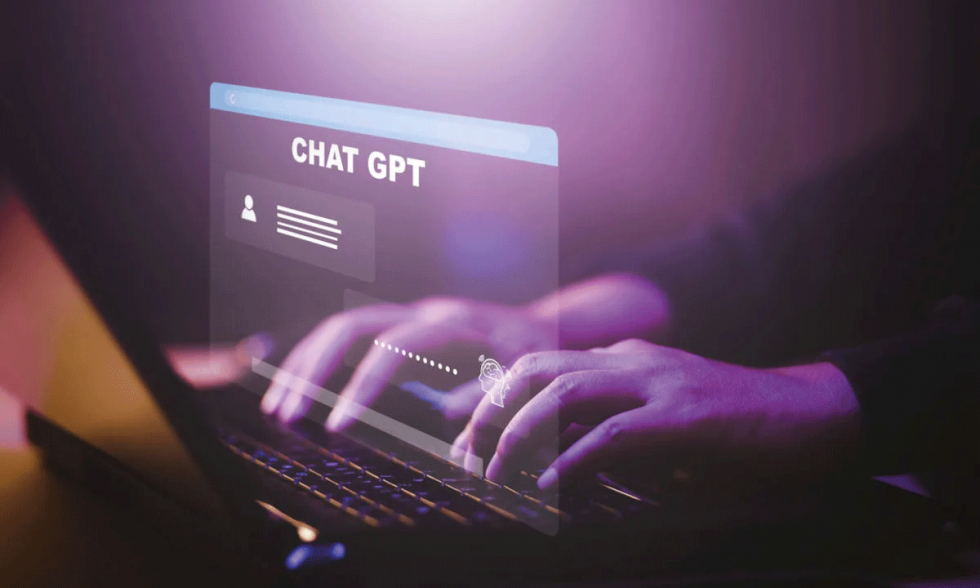
Business leaders are increasingly using ChatGPT as a learning companion to explore strategic scenarios inspired by iconic executives. The practice highlights how artificial intelligence is reshaping leadership development and executive education.
OpenAI has confirmed the departure of its chief communications officer, Hannah Wong, amid growing global scrutiny of artificial intelligence. The move highlights the rising importance of transparency, governance and public trust in the AI sector.
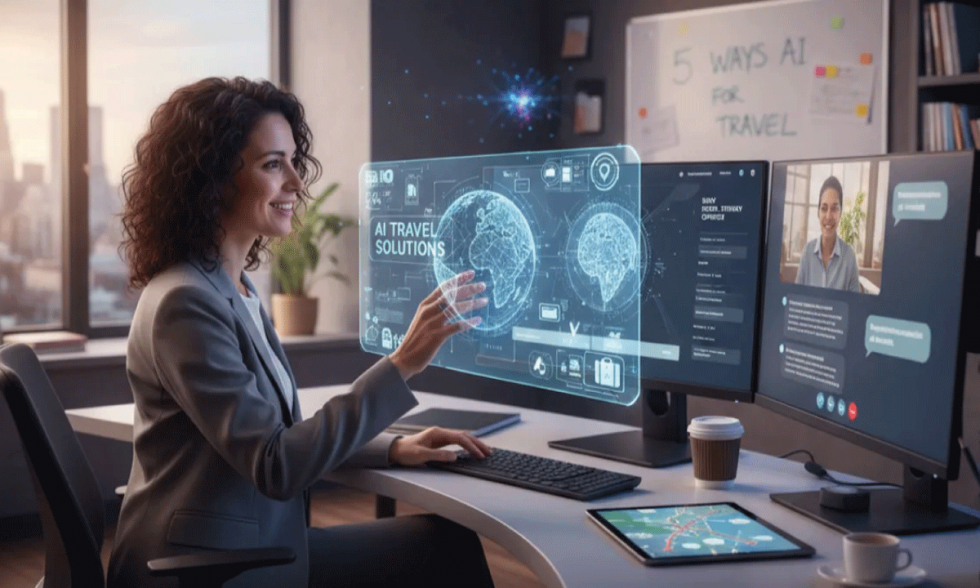
AI-powered platforms are changing how luxury travel experiences are discovered and evaluated. This transformation is influencing not only the industry but also how future professionals are trained in marketing, tourism, and digital strategy.

Mortgage rates in the United States fell to 6.26%, reviving hopes of a more accessible housing market. The shift could benefit both homebuyers and investors, though uncertainty remains.

Blackwell Global University launches the Advanced Certificate in Thesis Development, a program that enhances research proficiency and promotes scientific excellence across disciplines.

A recent study shows that soft skills are now among the most valuable attributes for employers across industries. Beyond technical knowledge, professionals need emotional intelligence, adaptability, and collaboration skills to thrive.