
AI Is Making Invisible Skills Visible in the Future Workforce
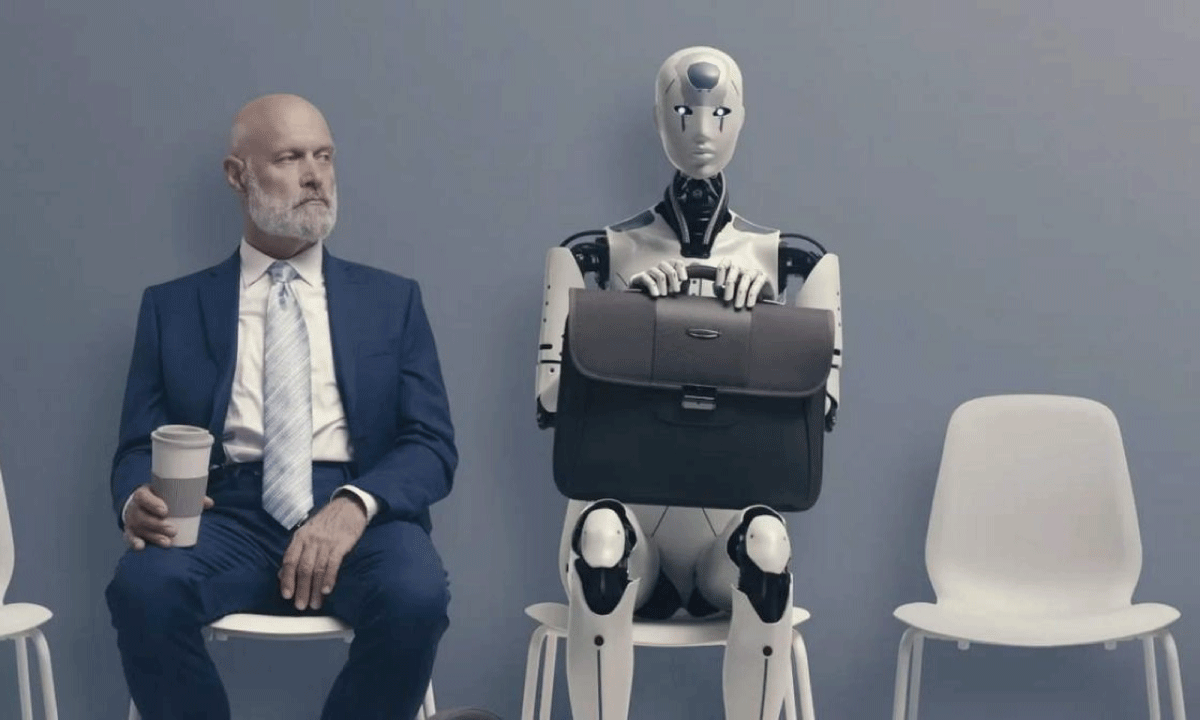
Artificial intelligence is transforming the global workforce in ways that extend far beyond automation. As AI systems take over routine and data driven tasks, employers and educators are placing renewed emphasis on human skills that were previously difficult to measure and often undervalued. This shift is redefining how talent is identified, developed, and deployed across industries.
Traditionally, employability has been closely linked to formal qualifications, job titles, and technical expertise. However, AI driven tools are changing this paradigm by highlighting competencies such as critical thinking, adaptability, creativity, and the ability to collaborate across disciplines. These skills, once considered secondary, are now emerging as core drivers of productivity and innovation in AI augmented workplaces.
From an educational perspective, this transformation is prompting institutions to rethink curricula and assessment models. Learning outcomes are increasingly focused on problem solving, decision making, and the capacity to learn continuously. AI powered analytics enable educators to identify individual strengths and learning patterns, helping students develop skills that align more closely with evolving labor market demands.
Employers are also revising their talent strategies. Artificial intelligence allows organizations to analyze performance data, uncover hidden potential, and reduce reliance on conventional hiring filters. As a result, candidates who may not follow traditional career paths are gaining visibility based on demonstrated capabilities rather than credentials alone. This approach expands access to talent while improving workforce diversity and resilience.
The business implications of this shift are significant. Organizations that recognize and cultivate invisible skills tend to build more adaptable teams, better equipped to navigate uncertainty and rapid technological change. In sectors undergoing digital transformation, these human capabilities complement AI systems by enabling strategic judgment, ethical decision making, and effective leadership.
At the same time, the growing importance of invisible skills places new responsibility on individuals. Lifelong learning is no longer optional but essential. Professionals must actively develop both technical literacy and human centered competencies to remain competitive in AI driven economies. Education providers and employers play a critical role in supporting this transition through flexible training models and continuous development programs.
As artificial intelligence continues to reshape work and learning, the concept of talent itself is evolving. By making invisible skills visible, AI is not diminishing the value of human contribution but redefining it. The future workforce will be shaped not only by what machines can do, but by how people think, adapt, and create value alongside intelligent systems.
Source: El País
Related Articles

Market signals point to increased coordination between U.S. and Japanese authorities on currency volatility, moving global exchange rates and asset strategies. Traders worldwide are recalibrating positions amid uncertainty over formal intervention timing and scope.

ChatGPT’s strategic prompts are reshaping entrepreneurial education by enabling the creation of automated, high-revenue business models without traditional employee structures. This trend highlights the growing role of AI as both an instructional and operational tool for founders and business learners.

An academic partnership between TEP Institute and Blackwell Global University continues to grow through jointly certified programs focused on applied artificial intelligence and digital transformation. The initiative targets professionals seeking specialized skills across strategic industries.
Comentarios