
Low-Dose CT Screening Could Prevent Three Times More Lung Cancer Deaths, New Study Finds
A compelling new finding published in the Journal of the American Medical Association (JAMA) suggests that low-dose chest computed tomography (CT) screening, when offered universally to eligible adults, could prevent three times more deaths from lung cancer than current rates of uptake indicate. According to the study, only about 19 percent of Americans eligible for screening underwent the procedure in 2024, representing a significant gap in early detection efforts.
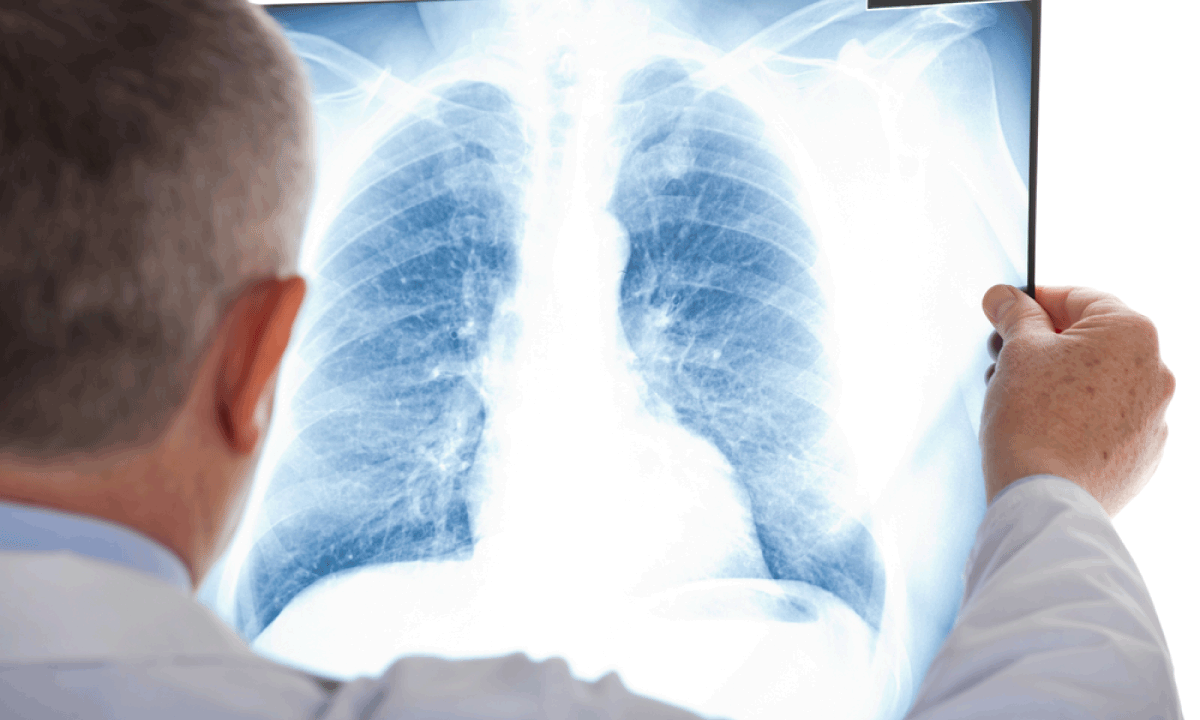
The research, led by Priti Bandi, Director of Cancer Risk Factors and Screening Surveillance at the American Cancer Society, estimates that if every eligible individual completed a low-dose CT scan, nearly 30,000 additional lung cancer deaths could be avoided, translating into over 482,000 life-years gained. These findings highlight the enormous untapped potential for public health impact through early detection.
Why Low-Dose CT Screening Matters
Low-dose CT (LDCT) has been identified as the only generally recommended test for lung cancer screening in high-risk individuals. According to U.S. Centers for Disease Control and Prevention (CDC) guidelines, this screening is advised for adults aged 50 to 80 who have a smoking history of at least 20 “pack-years,” and who either currently smoke or quit within the past 15 years.
Medical organizations such as the American Cancer Society also recommend annual LDCT scans for these high-risk populations, because studies have shown that such screening can catch lung cancer at an earlier, more treatable stage, significantly improving outcomes.
Risks and Trade-Offs
Despite its life-saving potential, LDCT screening is not without risks. False-positive results—where scans detect abnormalities that turn out not to be cancer—are common. These may lead to additional tests, such as biopsies, some of which can be invasive. There is also exposure to low levels of radiation: though LDCT uses considerably less radiation than standard CT scans, repeated imaging still entails cumulative exposure.
Medical experts stress that decisions about screening must be made carefully, especially balancing the benefits and potential harms. As Kaiser Permanente notes, the test does not guarantee a cancer diagnosis, but it can detect suspicious lesions that merit further investigation.
Educational and Policy Implications
For educational institutions, particularly in the fields of medicine and public health, these findings underline a critical opportunity. Curriculum designers and health faculties might incorporate this evidence into training programs to emphasize early cancer detection, shared decision-making, and risk communication. Teaching future healthcare professionals how to discuss screening eligibility, false positives, and long-term follow-up could improve patient outcomes.
From a policy perspective, the study’s implications are equally significant. Governments and health systems around the world should consider investing in LDCT infrastructure, awareness campaigns, and equitable access. Experts argue that expanding access and reducing financial or logistical barriers could dramatically enhance screening coverage. The American Cancer Society itself has called for removing cost barriers and ensuring that screening is more widely covered by payers.
Moreover, some researchers propose adjusting screening eligibility criteria. A recent analysis suggests that expanding screening to broader age ranges or different risk profiles could further improve detection and prevention.
A Call to Action for Educational Leaders
For institutional leaders in academia and education technology, this represents a moment to integrate health policy advocacy with pedagogical innovation. Institutions might:
- Develop training modules to help students understand the real-world impact of screening studies and the ethical aspects of overdiagnosis.
- Forge partnerships with public health agencies to support community outreach, particularly to high-risk populations.
- Advocate for curriculum changes that emphasize preventive medicine and patient-centered communication around screening choices.
Looking Forward
The new evidence about LDCT screening and its massive potential for reducing lung cancer mortality comes at a pivotal moment. As global health systems grapple with limited resources and rising noncommunicable disease burdens, targeted prevention and early detection offer some of the most cost-effective strategies to save lives.
For educators, researchers and policymakers, leveraging this knowledge through training, curriculum design and health policy reform can be transformative. If screening uptake increases and eligibility criteria evolve, the opportunity exists not only to prevent tens of thousands of deaths but to reshape how societies approach lung cancer—and possibly other diseases—through proactive, evidence-based interventions.
Source: US News
Related Articles

China’s expanding trade surplus reflects its growing role at the center of global manufacturing and supply networks. The trend is reshaping how companies, industries and education systems prepare for long term economic transformation.

Google is testing a new productivity assistant that operates directly through email, using artificial intelligence to organize tasks and support daily work. The experiment reflects a broader shift toward embedding AI into core workplace routines rather than standalone applications.

Business leaders are increasingly using ChatGPT as a learning companion to explore strategic scenarios inspired by iconic executives. The practice highlights how artificial intelligence is reshaping leadership development and executive education.
Comentarios