
China’s Expanding Trade Surplus Highlights Structural Shifts in Global Industry and Supply Chains
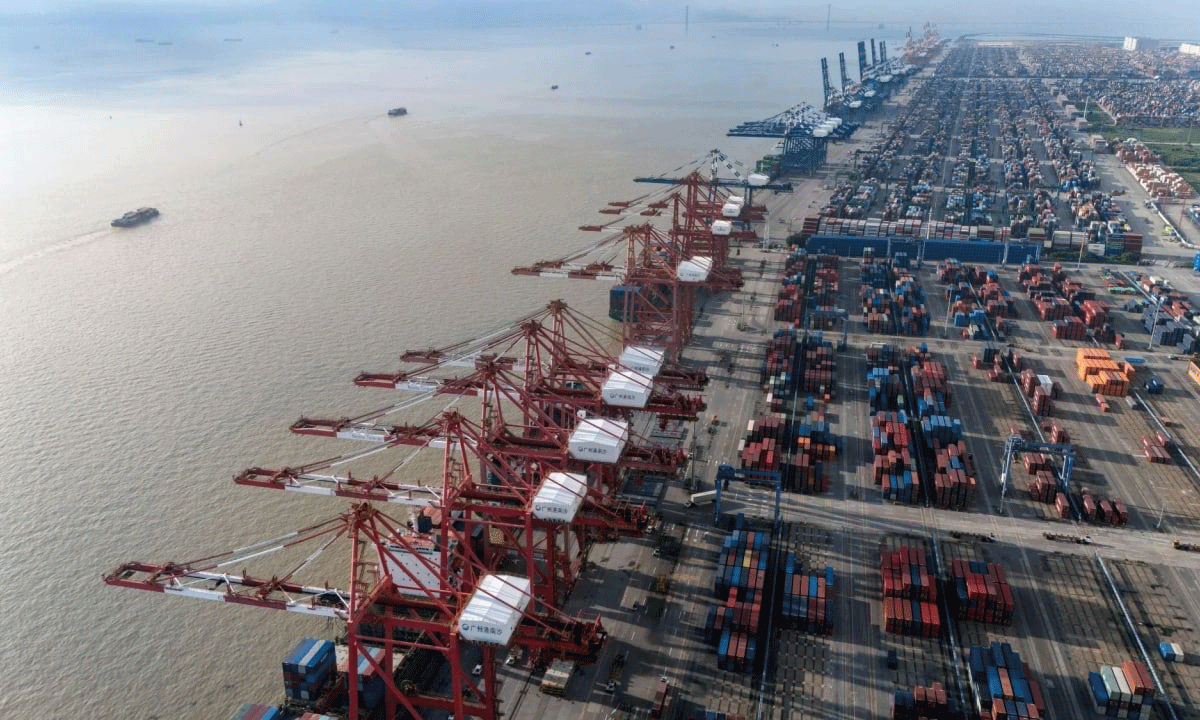
China’s trade performance in 2025 has drawn widespread attention across financial and industrial sectors, as the country records one of the largest trade surpluses in modern economic history. Beyond the headline figures, the data reveals a deeper transformation underway in global manufacturing, supply chains and industrial organization.
Rather than signaling a short term anomaly, the expansion of China’s trade surplus reflects long term structural strengths, including large scale production capacity, integrated logistics networks and a highly specialized industrial ecosystem. These factors continue to position China as a central node in global commerce.
Manufacturing scale and efficiency as competitive advantages
At the core of China’s trade expansion lies its ability to produce goods at scale while maintaining efficiency across complex supply networks. Manufacturers operating within the country benefit from dense clusters of suppliers, advanced transportation infrastructure and streamlined production processes.
This environment allows companies to rapidly respond to global demand, shorten production cycles and maintain cost competitiveness. As a result, Chinese exports span a wide range of sectors, from electronics and machinery to consumer goods and automotive components, reinforcing the country’s relevance across multiple industries.
Global supply chains adapt to a new reality
The persistence of China’s trade strength is reshaping how global supply chains are designed. While diversification remains a strategic objective for many firms, China continues to play a foundational role as both a producer of finished goods and a supplier of critical intermediate components.
Rather than a simple relocation of manufacturing, many companies are adopting multi layered supply models. These models combine production in China with complementary operations in other regions, creating networks that prioritize resilience without sacrificing efficiency.
This evolution highlights a shift away from binary supply chain thinking toward more flexible and adaptive systems that can absorb shocks while maintaining continuity.
Implications for global business and talent needs
The transformation of trade and industry carries significant implications for the global workforce. As manufacturing becomes more technologically advanced, demand is rising for skills related to automation, data analytics, logistics management and systems integration.
Companies operating across borders increasingly seek professionals who understand global operations and can navigate complex production networks. This trend places education and training institutions at the center of economic adaptation, as they are tasked with preparing talent for industries that are both globally connected and technologically sophisticated.
Education systems respond to industrial change
Universities, technical institutes and professional training providers are adjusting curricula to align with evolving industry needs. Programs focused on supply chain management, industrial engineering, international business and digital manufacturing are gaining prominence as students seek skills that remain relevant in a rapidly changing global economy.
The growth of China’s manufacturing influence reinforces the importance of interdisciplinary education. Understanding global trade today requires not only technical expertise, but also knowledge of logistics, sustainability, risk management and cross cultural collaboration.
Opportunities and challenges for emerging economies
For emerging economies, China’s trade expansion presents a complex mix of opportunities and competitive pressures. Participation in global value chains offers pathways for growth, investment and knowledge transfer. At the same time, competing with highly efficient manufacturing hubs demands continuous innovation and productivity improvement.
This dynamic encourages countries and institutions to invest in skills development, infrastructure and technology adoption, ensuring that local industries can integrate into global networks rather than operate at their margins.
Long term signals for the global economy
China’s sustained trade surplus serves as an indicator of broader shifts within the global economy. It reflects the consolidation of industrial capabilities, the importance of scale in manufacturing and the increasing interdependence of international markets.
For educators, policymakers and business leaders, these signals highlight the need to think beyond short term trade data. The focus increasingly turns to how economies prepare their workforce, adapt institutions and design systems capable of supporting long term competitiveness.
Trade, skills and the future of global industry
The evolution of global trade is no longer defined solely by the movement of goods. It is shaped by the flow of knowledge, technology and skills across borders. China’s trade performance illustrates how industrial strength and human capital development are deeply interconnected.
As global industries continue to evolve, the ability to align education with economic realities will play a decisive role in shaping future growth. In this context, trade data becomes more than an economic metric. It becomes a roadmap for how societies prepare for the next phase of global industrial transformation.
Source: The Times
Related Articles

Financial literacy is gaining global importance as young people face complex economic decisions earlier in life.

Mental health challenges are reshaping healthcare systems and professional training worldwide. Specialized education in clinical psychology is emerging as a key response to this growing global demand.

Sherman Roberts, President of Blackwell Global University, discusses the growing importance of the Doctor of Business Administration in shaping strategic leaders and applied researchers. He emphasizes its impact on innovation, executive careers, and global business development.
Comentarios