
GlobalTalks Hosts Dr. Sang Guun Yoo to Examine How Artificial Intelligence Is Reshaping Modern Society
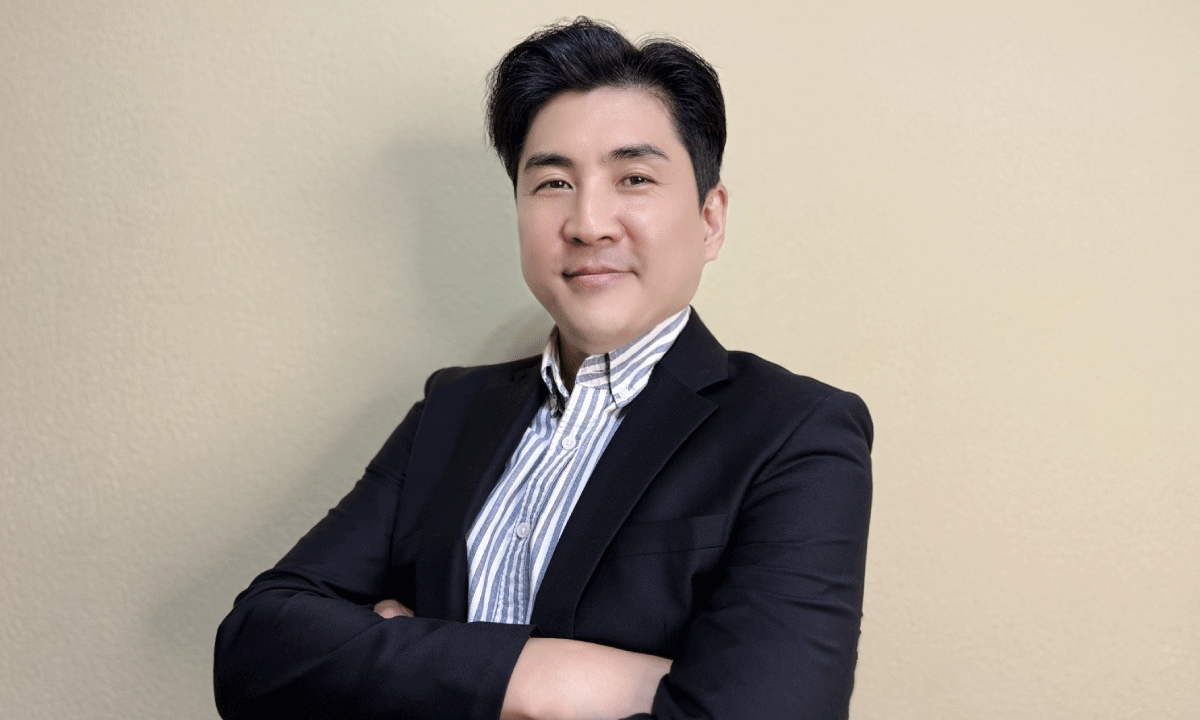
Artificial intelligence is no longer confined to research laboratories or technology companies. It has become a central force shaping how societies function, how people work, and how knowledge is produced and shared. This transformation was the focus of the latest edition of #GlobalTalks, an international academic forum organized by Global Academic Network, which featured South Korean technology expert Dr. Sang Guun Yoo as its main speaker.
His lecture, titled “The New Normality of Society in the Era of Artificial Intelligence,” offered a comprehensive analysis of how intelligent systems are altering social dynamics across multiple domains, from employment and education to communication and public decision making.
The session attracted participants from universities, research centers, and professional organizations across several regions, reinforcing GlobalTalks’ role as a platform for dialogue on global technological change.
Artificial intelligence as a social force
Dr. Yoo argued that artificial intelligence should not be viewed solely as a technical innovation, but as a structural element of modern society. Algorithms now influence how information is distributed, how individuals are evaluated in hiring processes, and how financial and institutional decisions are made.
“We are witnessing a reorganization of social systems,” he said. “Technology is shaping behavior, expectations, and even the way trust is built between individuals and institutions.”
He emphasized that these changes are occurring at a pace that challenges traditional models of adaptation. While previous technological revolutions unfolded over decades, AI driven transformation is advancing in a matter of years, leaving limited time for regulatory frameworks and educational systems to adjust.
Education in the age of intelligent systems
A significant part of the lecture focused on education, an area Dr. Yoo described as both vulnerable and full of opportunity. Artificial intelligence, he noted, is already being used to personalize learning paths, automate assessment processes, and identify gaps in student performance.
According to the researcher, these tools can significantly improve access to quality education, particularly in regions where teacher shortages and limited resources remain critical issues. At the same time, he warned against excessive reliance on automated systems without human oversight.
“Education is not only about efficiency,” he stated. “It is about critical thinking, ethical judgment, and social development. These dimensions cannot be delegated entirely to machines.”
He called on universities and academic institutions to integrate AI literacy into their curricula, ensuring that future professionals understand not only how to use intelligent technologies, but also how to evaluate their implications.
Work, automation, and social stability
Another central theme was the transformation of labor markets. Dr. Yoo explained that artificial intelligence is accelerating the automation of routine tasks while increasing demand for advanced skills in data analysis, system design, and digital governance.
This shift, he argued, could lead to higher productivity and new forms of employment, but also to instability if societies fail to manage the transition responsibly.
“The risk is not technology itself,” he said. “The risk is leaving large segments of the population without the tools to adapt.”
He stressed the importance of lifelong learning models and collaboration between governments, universities, and private companies to reskill workers and prevent structural unemployment.
Ethical challenges and human centered design
Beyond economic and educational considerations, Dr. Yoo devoted considerable attention to the ethical dimensions of artificial intelligence. He identified algorithmic bias, data privacy, and lack of transparency as some of the most pressing issues confronting modern societies.
“Artificial intelligence reflects the values of those who design it,” he noted. “If inclusivity and accountability are not embedded in its development, social inequalities may deepen rather than diminish.”
He advocated for the creation of international standards to guide the responsible use of AI and for multidisciplinary cooperation involving engineers, social scientists, legal scholars, and policymakers.
A global profile bridging academia and industry
Dr. Sang Guun Yoo’s perspective is shaped by a career that spans both academic research and industrial innovation. He currently serves as a full professor at the National Polytechnic School and teaches graduate level courses at seven international universities.
Previously, he worked as Chief Research Engineer at LG Electronics and participated in research and development projects with Samsung. He is the author of more than one hundred indexed scientific articles and a senior member of the IEEE and SCIEI.
In addition, he has founded several technology startups and runs the educational platform profesang.com, which reaches more than one hundred thousand subscribers worldwide.
This combination of academic rigor and industry experience positioned him as a particularly relevant voice for discussing the societal impact of artificial intelligence.
#GlobalTalks as a space for international reflection
Organizers of GlobalTalks highlighted that the initiative aims to create accessible channels for advanced knowledge exchange, especially for audiences in emerging economies seeking to understand global technological trends.
Previous editions have addressed digital transformation, innovation ecosystems, and leadership in higher education. The focus on artificial intelligence and society reflects growing concern about the long term implications of automation and data driven governance.
Participants noted that such discussions are increasingly necessary as technology becomes deeply integrated into daily life, influencing not only markets but also cultural norms and political processes.
Rethinking the concept of normality
In the closing section of his lecture, Dr. Yoo returned to the notion of “new normality,” suggesting that societies must redefine their expectations of work, education, and human interaction in a world mediated by intelligent systems.
“We cannot assume that past models will remain valid,” he said. “The challenge is to shape technology in a way that strengthens human dignity and social cohesion.”
He emphasized that artificial intelligence should be treated as a collective responsibility rather than a purely commercial product, requiring public debate and informed participation from citizens.
Preparing for the next decade
The GlobalTalks session concluded with a call to action directed at educational institutions and policy makers. According to Dr. Yoo, the next decade will be decisive in determining whether artificial intelligence becomes a tool for inclusive development or a source of deeper division.
Investment in digital education, ethical regulation, and interdisciplinary research will be essential to ensure that technological progress aligns with social well being.
The event left attendees with a clear message: artificial intelligence is already redefining society. Understanding its impact is no longer optional, but a prerequisite for shaping a sustainable and equitable future.
Related Articles
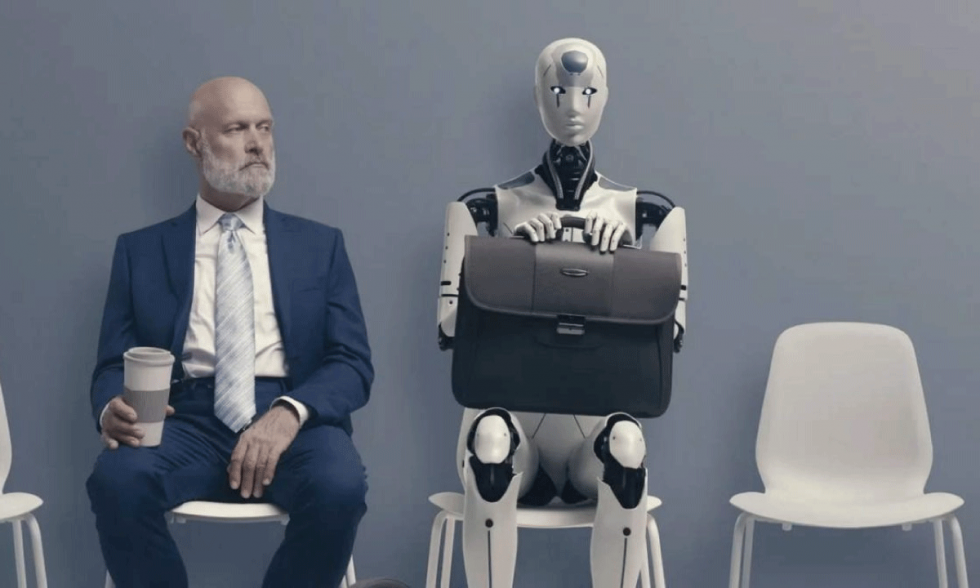
As artificial intelligence reshapes the labor market, skills once overlooked are becoming critical assets for employability and business performance. This shift is redefining how education systems and employers identify and develop talent.

Market signals point to increased coordination between U.S. and Japanese authorities on currency volatility, moving global exchange rates and asset strategies. Traders worldwide are recalibrating positions amid uncertainty over formal intervention timing and scope.

ChatGPT’s strategic prompts are reshaping entrepreneurial education by enabling the creation of automated, high-revenue business models without traditional employee structures. This trend highlights the growing role of AI as both an instructional and operational tool for founders and business learners.
Comentarios