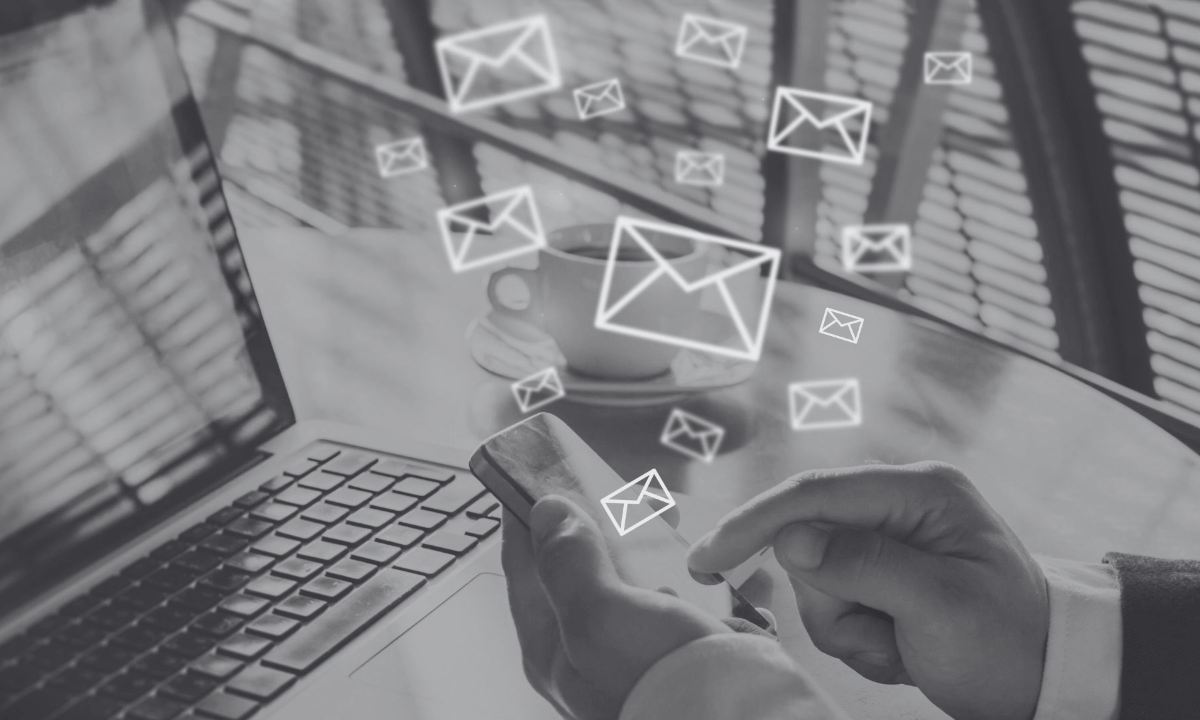
Digital communication has become a defining feature of contemporary work environments. Emails, instant messaging platforms, and collaborative digital tools allow teams to coordinate projects, exchange information, and maintain productivity across geographic boundaries and time zones.
While these technologies enable efficiency and global connectivity, the increasing volume of digital communication is also introducing new challenges for professionals. One example identified by workplace researchers is a phenomenon often referred to as “email apnea,” a behavioral response in which individuals unconsciously hold their breath or adopt shallow breathing patterns while reading or responding to electronic messages.
Although this reaction may appear minor, it reflects broader concerns related to digital workload, time pressure, and the psychological demands of constant connectivity in modern professional settings.
The hidden impact of constant digital communication
Many professionals dedicate a significant portion of their workday to managing incoming emails and digital notifications. The continuous flow of messages often requires rapid responses and sustained attention, creating an environment where employees feel compelled to remain connected at all times.
Over time, this communication dynamic may contribute to workplace challenges such as:
-
Reduced concentration on complex tasks: frequent message monitoring can interrupt deep cognitive processes.
-
Increased workplace interruptions: constant alerts and notifications disrupt focused productivity.
-
Higher cognitive load: processing large volumes of information can lead to mental fatigue.
-
Stress linked to communication expectations: pressure to respond quickly may affect emotional wellbeing.
For students and emerging professionals, learning how to navigate digital communication effectively is becoming an essential component of career readiness.
Communication competencies in digital workplaces
Professional communication today extends beyond face-to-face interactions or scheduled meetings. Modern workplaces require individuals to manage multiple communication channels, each with different expectations regarding tone, structure, and response time.
Developing strategies to organize inboxes, prioritize critical messages, and establish appropriate response boundaries can significantly improve productivity while reducing unnecessary stress.
Educational institutions and professional development programs are increasingly integrating digital communication training into their curricula. Courses related to project management, workplace communication, and digital collaboration often address methods for managing information flow in technology-driven environments.
Digital wellbeing as a future professional skill
As organizations continue adopting advanced communication technologies, the concept of digital wellbeing is gaining strategic importance. Professionals are expected not only to master digital tools but also to use them in ways that sustain long-term performance and mental balance.
Practical habits that support digital wellbeing include:
-
Scheduling designated times to review emails: reducing the impact of constant interruptions.
-
Limiting non-essential notifications: maintaining focus on priority tasks.
-
Structuring communication channels effectively: improving clarity and workflow efficiency.
-
Practicing mindful digital engagement: supporting emotional resilience in fast-paced environments.
Understanding these practices early in one’s professional journey can contribute to stronger productivity and healthier work routines as digital communication continues expanding across global industries.
In an increasingly connected world where teams collaborate across continents, the ability to manage information efficiently while maintaining personal balance is becoming a defining competency. Professionals who develop healthy digital communication habits are likely to adapt more successfully to evolving workplace expectations and dynamic global work environments.



Comentarios