Effective communication remains one of the most valuable competencies in both academic environments and professional careers. Whether presenting research findings, pitching innovative ideas, or leading strategic discussions, the ability to speak confidently before an audience can influence educational achievements and career progression across industries.
Despite its significance, fear of public speaking continues to be one of the most widespread forms of anxiety globally. Emerging research highlighted by international media suggests that virtual reality (VR) technologies may offer practical solutions by enabling individuals to practice presentations within simulated environments that replicate real-life speaking scenarios.
By immersing learners in interactive digital settings that resemble lecture halls, conference venues, or professional meeting spaces, VR tools allow users to gradually build confidence while strengthening essential communication skills.
Immersive environments for communication skill development
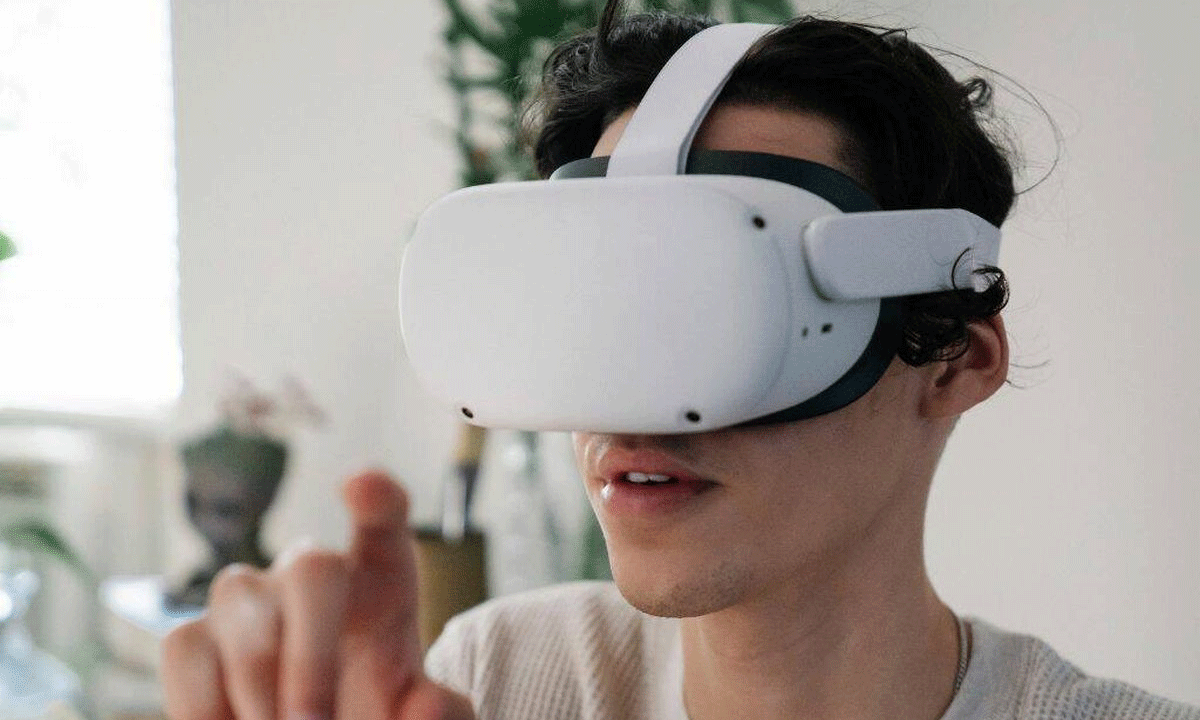
Virtual reality systems enable participants to enter simulated environments using headsets and specialized software. Within communication training contexts, these immersive spaces recreate realistic audiences and presentation settings, providing learners with opportunities to rehearse their delivery strategies in controlled yet dynamic conditions.
Unlike traditional rehearsal methods, immersive simulations allow repeated practice sessions, experimentation with different presentation techniques, and progressive adaptation to performance pressure. Research findings indicate that such experiences can contribute to reducing anxiety levels while improving clarity, confidence, and audience engagement.
Key benefits of immersive communication training include:
-
Confidence building through realistic simulations: enabling gradual exposure to public speaking environments.
-
Personalized feedback and performance analysis: helping learners identify strengths and areas for improvement.
-
Flexible practice opportunities: allowing repeated training without logistical constraints.
-
Enhanced emotional engagement: creating meaningful learning experiences that mirror real-world presentations.
Expanding the role of virtual reality in education
The integration of VR into communication training reflects a broader transformation in teaching methodologies worldwide. Educational institutions and digital learning platforms are increasingly adopting immersive technologies to complement traditional instructional approaches.
Virtual reality applications are already being implemented across multiple academic and professional fields, including:
-
Medical simulation training: supporting clinical decision-making and procedural practice.
-
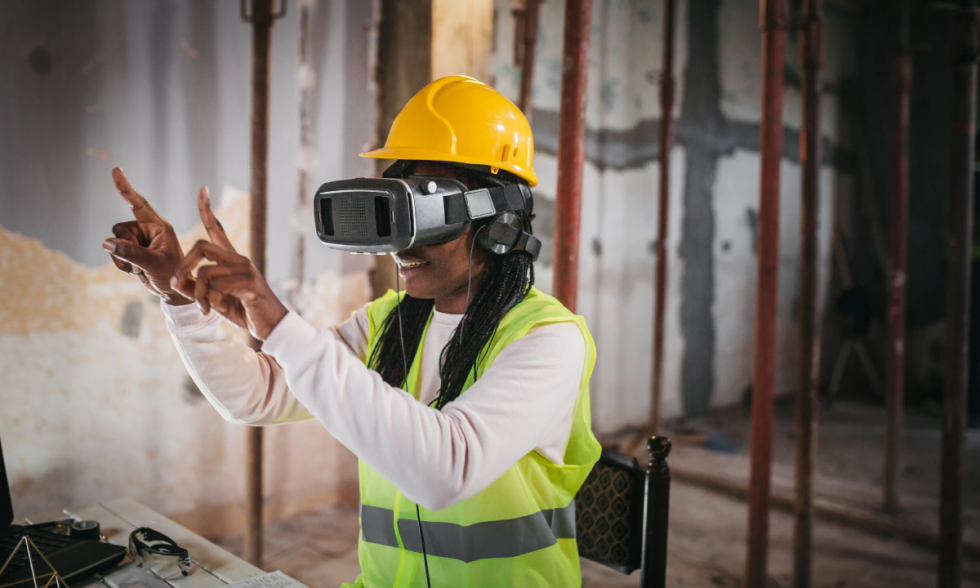
Engineering and design visualization: facilitating spatial understanding and technical innovation.
-
Scientific experimentation environments: enabling safe exploration of complex research scenarios.
-
Professional skills development: strengthening competencies such as leadership, negotiation, and teamwork.
Within communication education, immersive platforms help students refine presentation techniques without the practical challenges of organizing live audiences or large-scale events.
Communication as a global professional competency
In an increasingly interconnected global economy, effective communication skills are essential across sectors such as technology, business, healthcare, research, and public administration. Professionals are frequently required to present complex ideas clearly to diverse audiences, including international stakeholders and multidisciplinary teams.
As a result, universities and professional training providers are placing greater emphasis on integrating soft skills development alongside technical education. Programs that combine digital tools with communication training are gaining relevance as organizations seek well-rounded professionals capable of performing in global environments.
Immersive learning technologies such as virtual reality illustrate how digital innovation can bridge the gap between theoretical knowledge and practical performance. For students preparing to enter competitive international job markets, mastering communication competencies may be just as crucial as acquiring technical expertise in their chosen disciplines.
As educational technology continues to evolve, immersive platforms are expected to play an increasingly important role in enhancing learner engagement, accessibility, and skill acquisition in communication-focused training worldwide.



Comentarios