
Why global trade is forcing companies to rethink how the world does business
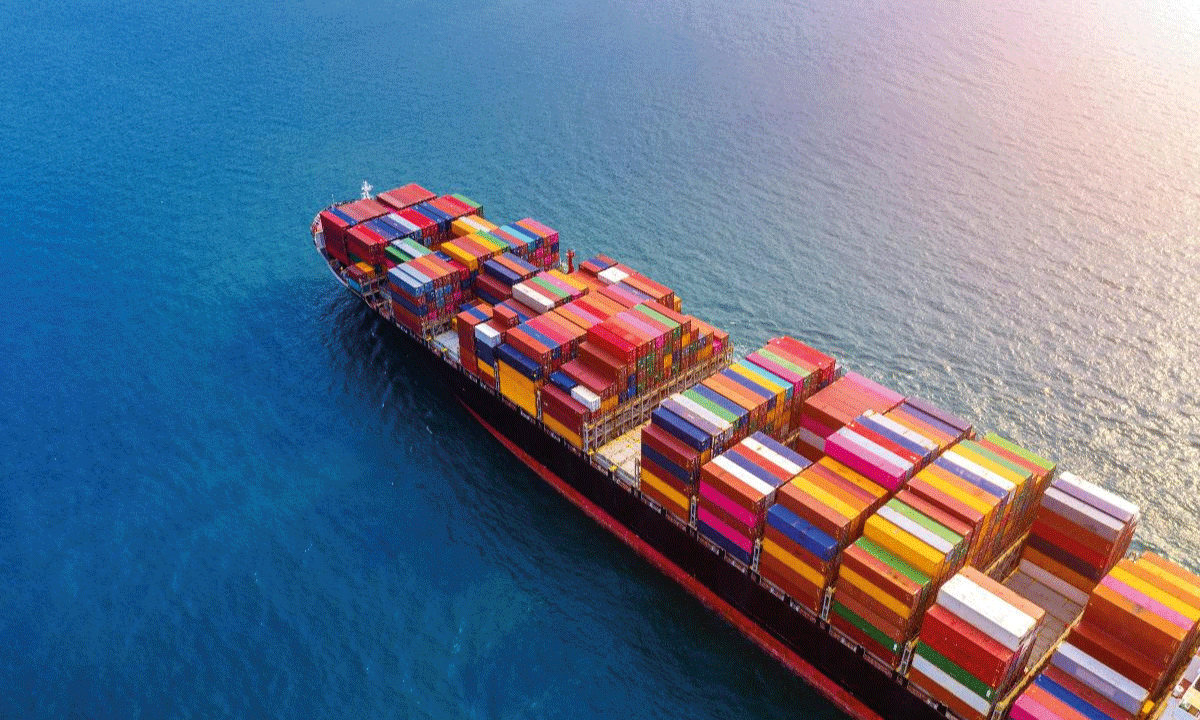
Global trade is undergoing structural change. Companies are diversifying suppliers, redesigning supply chains, and expanding into new markets to reduce risk. This shift is reshaping how businesses operate worldwide and accelerating the need for global talent, resilience, and international strategy across industries today.
The quiet transformation reshaping global business
For decades, global trade followed a relatively predictable pattern. Companies built long-term supplier relationships, optimized costs through globalization, and relied on stable logistics routes to move goods across continents.
That era is fading. The global economy is entering a new phase where stability can no longer be assumed. Supply disruptions, geopolitical tensions, and shifting trade dynamics are forcing organizations to rethink how they operate internationally.
This transformation is not temporary. It marks the beginning of a new global trade mindset.
From efficiency to resilience
For years, efficiency was the dominant business strategy. Companies aimed to reduce costs, streamline operations, and concentrate production in a limited number of strategic locations.
Today, resilience has become the priority.
Businesses are no longer asking: “How do we make this cheaper?” They are asking: “How do we make this sustainable and secure?”
This shift is redefining supply chain management worldwide.
The rise of diversification
One of the clearest changes in global trade is the growing importance of diversification. Companies are expanding their networks to avoid overdependence on single countries or suppliers.
Emerging markets such as India and Turkey are increasingly becoming strategic partners in global commerce, reflecting a broader rebalancing of international trade relationships.
This diversification trend is reshaping global supply networks in real time.
Why Latin America is part of this story
Although the transformation is global, its consequences are strongly felt in Latin America. The region is deeply integrated into international trade through exports, imports, and growing digital services.
Key regional trends include:
- Mexico strengthening nearshoring ties with the United States
- Chile expanding trade relationships with Asia
- Peru increasing connections with global supply chains
- Colombia positioning itself in international services and logistics
Latin America is becoming a strategic player in the reconfiguration of global trade.
The new global business mindset
The companies that thrive in this new era share common characteristics:
- They think globally from the start
- They invest in international partnerships
- They design flexible supply chains
- They build teams with global capabilities
International strategy is no longer optional — it is a requirement for long-term competitiveness.
What this means for the global economy
The reconfiguration of global trade is reshaping economic growth, labor markets, and business strategy worldwide.
We are witnessing a transition from a globalization model focused on efficiency to one centered on resilience, adaptability, and strategic diversification.
This shift will influence how companies expand, how countries collaborate, and how professionals prepare for the future.
Global trade is not shrinking. It is evolving.
Related Articles

Financial literacy is gaining global importance as young people face complex economic decisions earlier in life.

Mental health challenges are reshaping healthcare systems and professional training worldwide. Specialized education in clinical psychology is emerging as a key response to this growing global demand.

Sherman Roberts, President of Blackwell Global University, discusses the growing importance of the Doctor of Business Administration in shaping strategic leaders and applied researchers. He emphasizes its impact on innovation, executive careers, and global business development.
Comentarios