
Why scientists are teaching AI to “experience” the world like humans
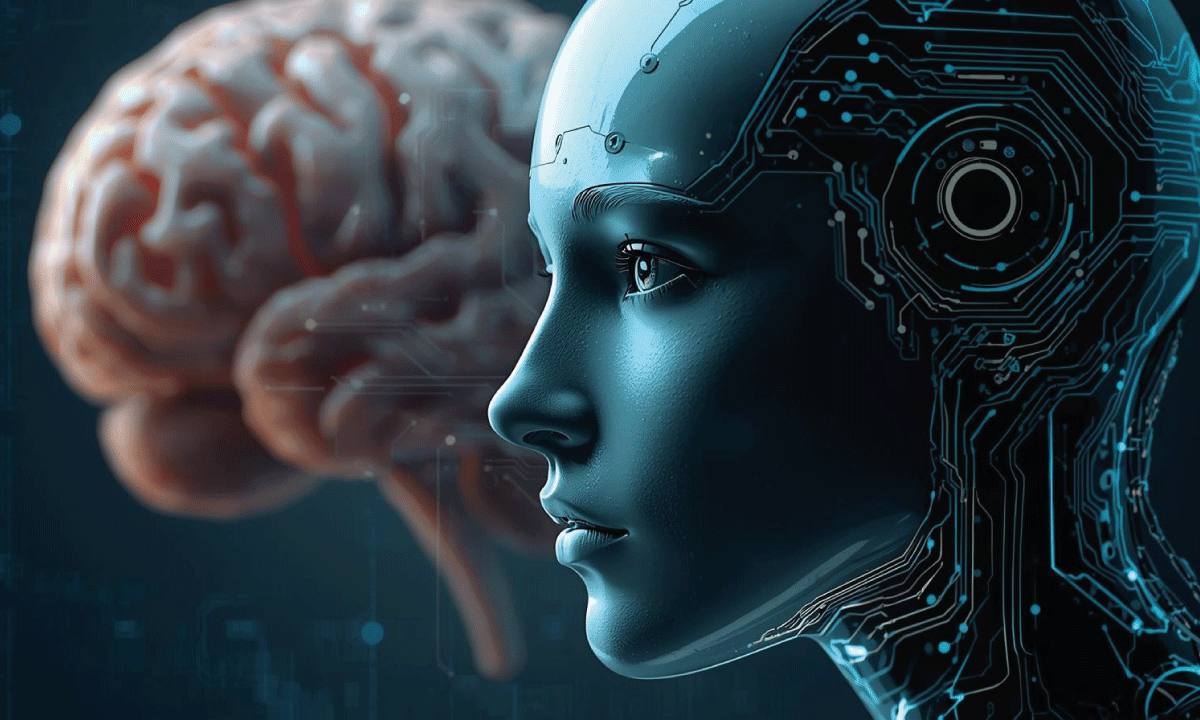
When machines started sensing the world differently
For decades, artificial intelligence processed the world in separate streams. Images were images. Sounds were sounds. Text was text.
Humans don’t experience reality this way. Our brains constantly merge sensory information. Music can feel colourful. Shapes can evoke emotions. Words can trigger imagery.
This phenomenon is called synesthesia, and scientists are now using it as inspiration for new AI systems.
The next step in AI evolution: multisensory intelligence
The current generation of AI is already multimodal, meaning it can process text, images and audio. But researchers are pushing further.
Instead of simply analysing different types of data, new systems aim to connect them in meaningful ways, similar to how the human brain blends senses.
This is a major shift. It moves AI from recognising information to interpreting experiences.
Why researchers are exploring synesthesia
Synesthesia offers a unique window into how the brain builds perception. People with this condition might:
- See colours when hearing music
- Associate shapes with flavours
- Feel textures linked to sounds
By studying these cross-sensory connections, scientists hope to design AI that understands context, emotion and creativity more deeply. This could make human-AI interaction more natural and intuitive.
How this could reshape technology worldwide
Creative industries
Music, film, gaming and design could become more immersive and personalised.
Healthcare and neuroscience
AI could help researchers understand perception, cognition and neurological conditions.
Education and training
Learning systems could adapt to how individuals perceive information.
Human-computer interaction
Future interfaces may respond to emotion, tone and sensory context.
Why this matters beyond tech labs
This research signals a broader transformation in AI. Early AI focused on logic and calculation. Modern AI focuses on language and creativity. The next generation may focus on perception and experience.
That shift could redefine how humans collaborate with machines.
A global turning point for AI
Countries investing in AI research, education and digital infrastructure are positioning themselves for the next technological wave. Regions across Europe, Asia and Latin America are expanding AI ecosystems, startups and academic programmes.
The race is no longer just about computing power. It is about understanding how humans experience the world.
The bigger picture
Teaching machines to interpret sensory experiences raises profound questions:
- What does creativity mean?
- How human can machines become?
- What new industries will emerge from perceptive AI?
The answers will shape the next decade of technology and global innovation.
Related Articles

Financial literacy is gaining global importance as young people face complex economic decisions earlier in life.

Mental health challenges are reshaping healthcare systems and professional training worldwide. Specialized education in clinical psychology is emerging as a key response to this growing global demand.

Sherman Roberts, President of Blackwell Global University, discusses the growing importance of the Doctor of Business Administration in shaping strategic leaders and applied researchers. He emphasizes its impact on innovation, executive careers, and global business development.
Comentarios