
Leadership Under Uncertainty: What Emerging Economies Reveal About Modern Management

Uncertainty is no longer an episodic challenge for organizations. Across global markets, economic volatility, geopolitical shifts, regulatory changes and technological disruption have transformed the conditions under which leaders operate. For companies, the ability to manage ambiguity and make informed decisions in unstable environments has become a defining feature of effective leadership.
While these pressures are increasingly visible in developed economies, emerging markets have long operated under similar conditions. Peru offers a relevant example. Over recent years, businesses in the country have faced fluctuating economic indicators, political instability and structural informality. These factors have required organizations to develop a high degree of adaptability simply to remain competitive.
This context has brought renewed attention to the role of leadership and management education. Traditional leadership models, often built around predictability and long term planning, struggle to address environments where change is constant and information incomplete. As a result, modern management increasingly emphasizes decision making under uncertainty, risk assessment and organizational resilience.
Global research on leadership effectiveness consistently highlights the importance of adaptive skills. Leaders who perform well in volatile contexts tend to combine analytical capacity with situational awareness and strategic flexibility. These competencies are not acquired exclusively through experience; they are increasingly shaped through targeted education and training programs designed to reflect real world complexity.
In Peru, this need has influenced the evolution of business and management education. Institutions focused on leadership development have adapted their academic models to prioritize practical decision making, strategic thinking and organizational management in uncertain environments. One such example is the Instituto de la Empresa, a Peruvian institution specialized in management and leadership education, whose programs are designed around the realities of operating in volatile economic contexts.
The relevance of this approach extends beyond national borders. As uncertainty becomes a defining feature of global markets, the skills developed in emerging economies offer valuable insights for organizations worldwide. Leaders trained to navigate instability often demonstrate a stronger capacity to respond to disruption, manage limited resources and align teams during periods of change.
From a global perspective, leadership under uncertainty requires a shift in mindset. Rather than seeking complete information before acting, managers are increasingly expected to make decisions based on scenario analysis, probability assessment and strategic priorities. This approach contrasts with more rigid management traditions and reflects a broader transformation in how leadership is understood.
The European experience over the past decade illustrates this shift. Economic crises, supply chain disruptions and evolving regulatory frameworks have challenged assumptions about stability. As a result, organizations are reassessing the competencies required of their leaders, placing greater emphasis on adaptability, resilience and continuous learning.
Education plays a central role in this transformation. Management programs that integrate real world uncertainty into their curricula help prepare professionals for leadership roles that demand both technical expertise and judgment. By exposing students to complex decision making scenarios, these programs contribute to the development of leaders capable of operating across diverse and unpredictable environments.
The case of Peru highlights a broader trend within emerging economies, where leadership education is closely aligned with practical realities rather than theoretical models. This alignment positions graduates to function effectively in global organizations, where uncertainty is increasingly the norm rather than the exception.
As businesses continue to navigate an evolving economic landscape, the demand for leaders who can manage uncertainty will only intensify. The experience of emerging markets demonstrates that adaptability and strategic decision making are not optional skills, but core components of modern leadership.
In this context, management education focused on uncertainty does more than prepare individuals for challenging roles. It contributes to organizational resilience and long term competitiveness in a global economy where stability can no longer be assumed. The lessons emerging from countries like Peru offer valuable perspectives for leaders and institutions seeking to redefine management for an increasingly complex world.
Related Articles

Financial literacy is gaining global importance as young people face complex economic decisions earlier in life.

Mental health challenges are reshaping healthcare systems and professional training worldwide. Specialized education in clinical psychology is emerging as a key response to this growing global demand.
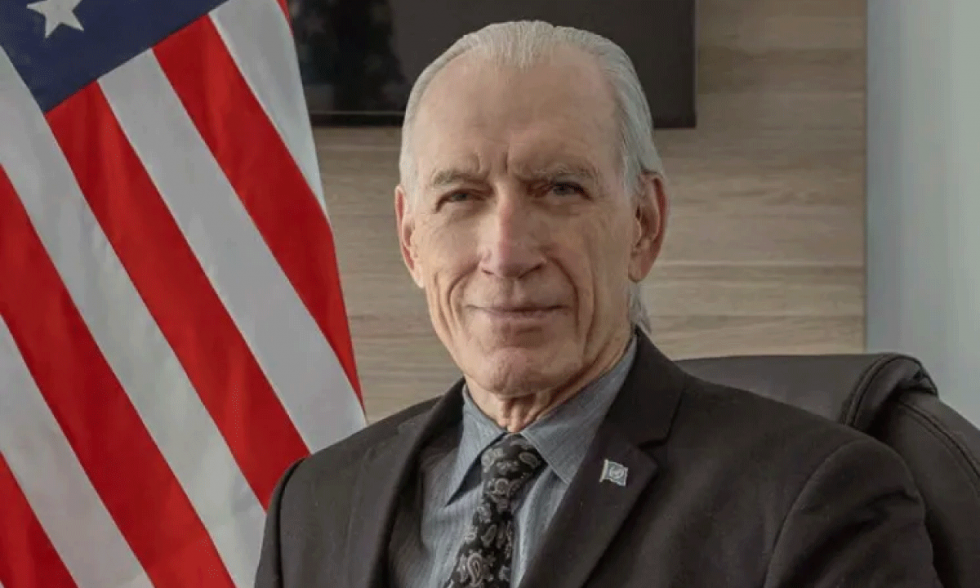
Sherman Roberts, President of Blackwell Global University, discusses the growing importance of the Doctor of Business Administration in shaping strategic leaders and applied researchers. He emphasizes its impact on innovation, executive careers, and global business development.
Comentarios