
AI transforms energy management globally: training programs prepare professionals for the future
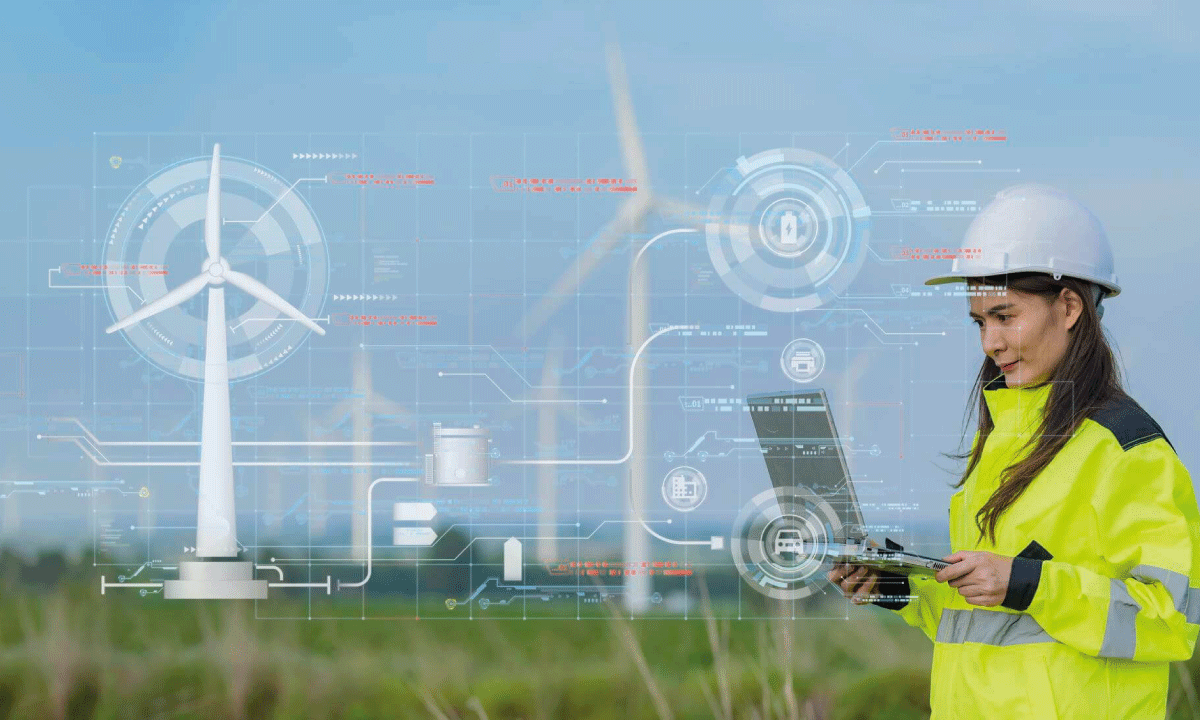
The energy sector worldwide is experiencing a technological transformation driven by artificial intelligence. AI is increasingly being used to optimize energy management, from monitoring and controlling power grids to integrating renewable sources and improving efficiency across the board.
Countries such as the United States, Germany, and Japan are deploying AI-powered systems to predict failures, adjust energy distribution in real time, and reduce losses. Studies by the International Energy Agency indicate that applying AI in energy management can decrease conventional grid losses by up to 15 percent, increasing system reliability and operational efficiency.
AI enables better integration of renewable energy sources such as solar and wind by predicting production variability and adjusting energy flow to match demand. These solutions reduce waste, ensure a stable supply, and support global sustainability targets. Efficient AI-driven energy management is now essential for meeting international commitments on carbon reduction and climate action.
The global expansion of AI in the energy sector has created a demand for skilled professionals who can implement intelligent solutions effectively. Educational institutions are responding with specialized programs that combine engineering, data analysis, and energy management expertise. The Division of Continuing Education at Blackwell Global University offers an Advanced Certificate in AI Applied to Energy Management, providing participants with practical skills to optimize energy systems and implement data-driven strategies in complex environments.
“Energy efficiency now depends not only on infrastructure but on the ability to interpret and act on real-time data,” says Dr. Laura Henderson, energy systems consultant and AI integration expert. Professionals trained in AI are essential to deploying scalable, secure, and sustainable solutions that meet the growing complexity of global energy systems.
Governments and regulatory bodies worldwide are promoting the adoption of intelligent energy solutions through incentives, pilot programs, and technical standards that ensure interoperability between systems. These initiatives facilitate AI integration in energy management and drive innovation in services such as load balancing, consumption forecasting, and hybrid grid operation.
Countries with abundant renewable resources and advanced infrastructure, like the United States, have a strategic opportunity to lead the AI-driven energy transition. Specialized training programs and international certifications bridge the gap between emerging technologies and the availability of skilled professionals, enabling global energy networks to become smarter, more efficient, and environmentally responsible.
While AI implementation faces challenges such as high initial investment and the need for robust digital infrastructure, the benefits are substantial. From reducing energy losses to improving system reliability, AI is shaping a new era in global energy management. Combining technological innovation with professional training ensures the workforce is ready to navigate these changes, fostering efficiency, sustainability, and competitiveness in an increasingly complex energy landscape.
Related Articles

Financial literacy is gaining global importance as young people face complex economic decisions earlier in life.

Mental health challenges are reshaping healthcare systems and professional training worldwide. Specialized education in clinical psychology is emerging as a key response to this growing global demand.

Sherman Roberts, President of Blackwell Global University, discusses the growing importance of the Doctor of Business Administration in shaping strategic leaders and applied researchers. He emphasizes its impact on innovation, executive careers, and global business development.
Comentarios