
How Gen Z Is Rethinking Retirement Systems and What It Means for the Future Workforce

As global economies confront aging populations and evolving labor markets, the sustainability of retirement systems has become a defining issue for the future workforce. Recent data indicates that Generation Z approaches this challenge with a markedly different perspective from previous generations, emphasizing long term viability over inherited expectations.
Rather than viewing retirement as a guaranteed outcome of lifelong employment, Gen Z increasingly sees it as a complex financial objective that requires proactive planning, adaptability, and diversified income strategies. This shift reflects broader economic conditions shaping their entry into the workforce, including rising living costs, less predictable career paths, and heightened financial uncertainty.
Economic Realities Shaping Gen Z Perspectives
Unlike earlier generations who benefited from stable employment models and predictable retirement frameworks, Gen Z is coming of age in an economy defined by flexibility and volatility. Contract based work, remote employment, and frequent career transitions are now standard features of the labor market.
These conditions have influenced how young workers assess long term financial systems. For many, the sustainability of retirement programs is less about preserving existing structures and more about ensuring that future systems remain functional and equitable over time.
This pragmatic outlook is not rooted in disengagement, but in economic literacy shaped by lived experience. Gen Z tends to question whether traditional models align with current demographic trends and labor realities, and whether they can realistically deliver security decades from now.
The Implications for the Global Workforce
This evolving mindset has significant implications for workforce development worldwide. Employers are increasingly encountering a generation that values transparency, flexibility, and financial empowerment alongside traditional compensation.
Retirement benefits alone are no longer sufficient to attract or retain young talent. Instead, Gen Z seeks holistic support that includes financial education, access to long term savings tools, and opportunities to build economic resilience beyond a single employer.
As a result, organizations are rethinking how they design benefits packages and professional development pathways. Financial well being is becoming a core component of employee engagement strategies, closely linked to productivity and retention.
Redefining Financial Security Through Education
One of the most notable consequences of this generational shift is the growing emphasis on financial education. Gen Z is more likely to seek knowledge about investing, personal finance, and long term planning early in their careers.
Educational institutions are responding by integrating financial literacy into academic curricula, recognizing that economic competence is as critical as technical skills in preparing students for the future of work. Universities and training providers increasingly position financial education as a lifelong skill rather than a late career concern.
This focus aligns with broader trends in lifelong learning, where individuals are expected to continuously update both professional and financial competencies to remain resilient in a rapidly changing economy.
Rethinking the Relationship Between Work and Retirement
For Gen Z, retirement is no longer perceived as a distant endpoint following decades of uninterrupted employment. Instead, it is increasingly viewed as a flexible phase that may involve continued work, entrepreneurship, or portfolio careers.
This perspective challenges traditional assumptions about linear career trajectories and fixed retirement ages. It also raises questions about how societies can design systems that accommodate diverse career paths without compromising financial stability.
From a global standpoint, this shift encourages innovation in retirement models that recognize mobility, hybrid employment, and cross border careers as permanent features of the modern workforce.
The Role of Employers in a New Financial Landscape
As expectations evolve, employers are positioned to play a more active role in supporting long term financial well being. Beyond offering retirement plans, organizations are investing in tools that help employees understand savings strategies, manage debt, and plan for multiple life stages.
These initiatives are not merely benefits, but strategic investments. A workforce that feels financially informed and secure is better equipped to focus on innovation, learning, and long term contribution.
In this context, financial well being becomes closely linked to workforce sustainability, mirroring broader concerns about the sustainability of economic systems themselves.
A Global Conversation About Sustainability and Trust
At its core, Gen Z’s approach reflects a broader global conversation about sustainability and trust in long term systems. Whether in employment, education, or finance, young people are increasingly questioning structures that appear misaligned with current realities.
This questioning does not signal disengagement, but rather a demand for adaptability and accountability. Gen Z’s emphasis on sustainability suggests a desire to build systems that can endure economic shifts and demographic change, rather than preserving models that no longer reflect how people work and live.
Preparing for the Workforce of Tomorrow
Understanding how Gen Z views retirement sustainability offers valuable insight into the future of the global workforce. Their expectations highlight the need for integrated approaches that connect education, employment, and financial planning across the lifespan.
As economies adapt to demographic pressures and technological transformation, aligning retirement systems with modern career patterns will be essential. For institutions, employers, and educators alike, the challenge lies in creating frameworks that support both individual security and collective sustainability.
In doing so, the evolving perspective of Gen Z may prove to be less a disruption and more a catalyst for building more resilient and inclusive economic systems worldwide.
Source: MarketWatch
Related Articles

Financial literacy is gaining global importance as young people face complex economic decisions earlier in life.

Mental health challenges are reshaping healthcare systems and professional training worldwide. Specialized education in clinical psychology is emerging as a key response to this growing global demand.
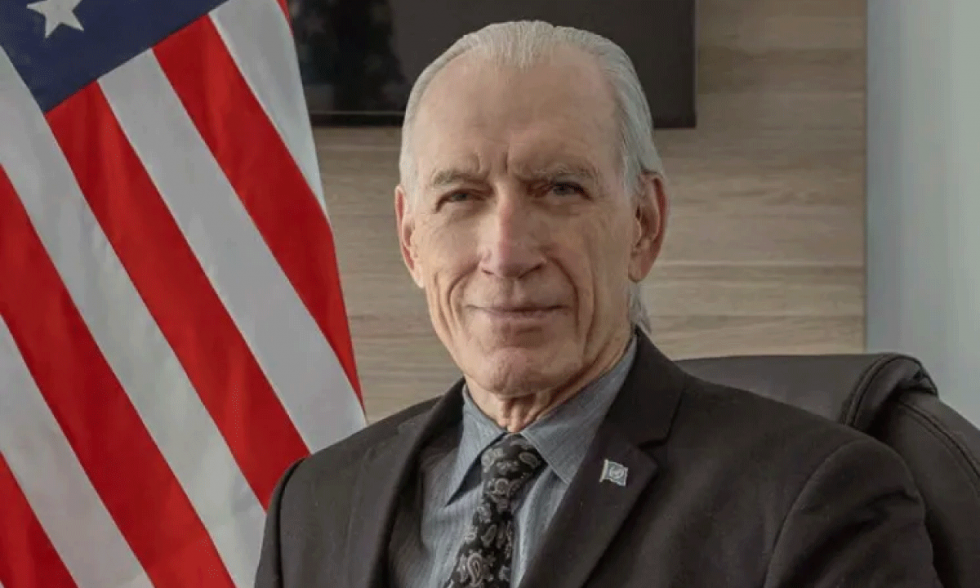
Sherman Roberts, President of Blackwell Global University, discusses the growing importance of the Doctor of Business Administration in shaping strategic leaders and applied researchers. He emphasizes its impact on innovation, executive careers, and global business development.
Comentarios