
Charcoal Cooking Set to Transform the Global Hospitality Industry by 2026
A growing number of restaurants and hotels are embracing charcoal as a central element of their culinary strategy, signaling a global shift that is expected to shape the hospitality landscape in 2026. Unlike conventional grilling or outdoor smoking, this movement places charcoal at the core of the dining experience, transforming it into a symbol of authenticity, intensity and craftsmanship.
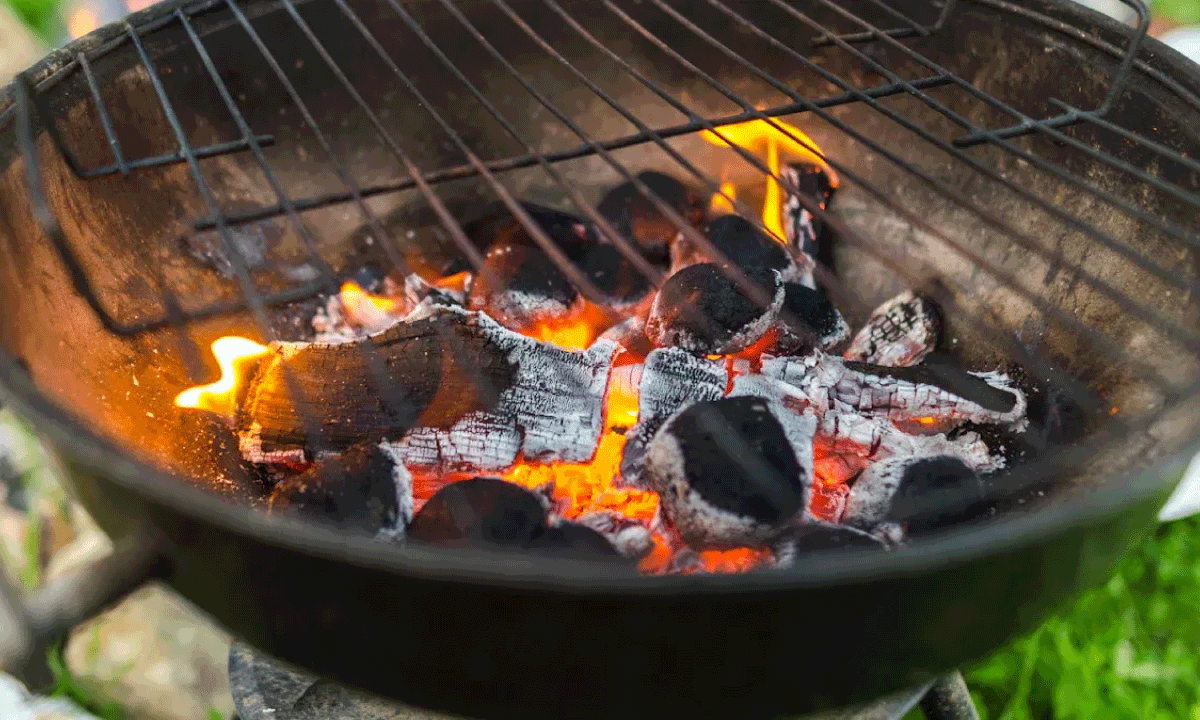
This shift is driven by a new generation of diners who value bold flavors and emotionally resonant food experiences. Charcoal cooking provides exactly that: aroma, texture and visual impact. What once belonged primarily to traditional kitchens is now being adopted by fine dining establishments, boutique hotels and international chains seeking to differentiate themselves in a competitive global market.
Consumers Push the Demand for Depth, Flavor and Storytelling
The growing popularity of charcoal is closely tied to consumer behavior. Diners are increasingly seeking meals that feel meaningful, rooted in culture and elevated by technique. Charcoal cooking delivers a flavor profile that modern consumers associate with natural processes and culinary heritage, while still allowing room for innovation.
In a digital era where restaurant concepts must stand out quickly, charcoal carries strong narrative value. The sight of burning embers, the sound of searing ingredients and the aromatic smoke combine to create a sensory environment that enhances perceived value and strengthens customer loyalty. These emotional connections are particularly important as hospitality businesses work to differentiate their identities across diverse and highly competitive markets.
A New Investment Landscape: Equipment, Architecture and Experience Design
The embrace of charcoal cooking has important implications for capital investments within the hospitality industry. Beyond traditional grills, operators are allocating budgets to specialized ovens, insulated fire pits, precision-controlled charcoal units and advanced ventilation systems. These investments are essential not only for performance and safety but also for maintaining consistency in a technique that demands meticulous thermal control.
Many establishments are also rethinking the physical layout of their culinary spaces. Open-fire kitchens, live-fire stations and architecturally integrated grills are becoming central features. These visible elements serve a dual purpose: they enhance the dining atmosphere and communicate transparency, skill and authenticity—qualities that international travelers increasingly expect.
This design-centric approach turns the cooking process into a performance, elevating the restaurant or hotel’s brand identity while offering a memorable experience that supports premium pricing.
Operational Shifts: Skills, Training and Safety Protocols
As charcoal cooking gains prominence, hospitality teams are adapting their operations accordingly. Chefs must master not only the flavor dynamics but also the technical demands of managing heat, fuel selection and ingredient-specific timings. This has increased the need for specialized training programs within culinary schools and corporate hospitality groups.
Safety protocols are evolving as well. Fire management requires structured procedures, dedicated oversight and appropriate equipment. While these adjustments add complexity, industry leaders view them as strategic investments that enhance resilience and elevate the overall quality of the guest experience.
The shift also impacts staffing models. Some restaurants are hiring live-fire specialists, while others are building internal training programs to standardize techniques across multiple locations. These operational changes show how deeply the charcoal trend is influencing the future of culinary workforce development.
Innovation in Flavor and Technique Expands the Trend’s Reach
What makes this movement particularly dynamic is the level of experimentation taking place. Chefs worldwide are moving beyond traditional cuts of meat and exploring charcoal applications for vegetables, seafood, breads and even desserts. Some are combining smoke with fermentations, low-temperature preparations or modern appliances to create hybrid techniques that push the boundaries of contemporary cuisine.
This expansion of charcoal-based creativity is attracting international attention and inspiring collaborations between chefs, suppliers and equipment manufacturers. The trend is also influencing menu engineering, prompting restaurants to craft seasonal offerings that highlight the unique qualities of fire-based cooking.
Hotels, especially in the luxury segment, are incorporating charcoal features into exclusive dining events, premium outdoor experiences and signature tasting menus. These curated offerings generate revenue opportunities through upselling and enhance competitiveness in the global hospitality market.
Positioning Charcoal as a Driver of Competitive Advantage for 2026
The rapid rise of charcoal-focused cuisine signals a broader shift in how the hospitality industry designs its value proposition. Fire and smoke are becoming more than tools—they are part of a brand identity that speaks to craftsmanship, authenticity and experiential dining.
With strategic investments, skill development and experience-driven design, charcoal cooking is poised to shape how restaurants and hotels attract and engage global audiences in 2026. For operators seeking differentiation in an increasingly saturated marketplace, embracing this trend represents an opportunity to align with consumer expectations while building long-term competitive strength.
Source: The National Provisioner
Related Articles

Market signals point to increased coordination between U.S. and Japanese authorities on currency volatility, moving global exchange rates and asset strategies. Traders worldwide are recalibrating positions amid uncertainty over formal intervention timing and scope.

ChatGPT’s strategic prompts are reshaping entrepreneurial education by enabling the creation of automated, high-revenue business models without traditional employee structures. This trend highlights the growing role of AI as both an instructional and operational tool for founders and business learners.

An academic partnership between TEP Institute and Blackwell Global University continues to grow through jointly certified programs focused on applied artificial intelligence and digital transformation. The initiative targets professionals seeking specialized skills across strategic industries.
Comentarios