
London Hotel Redevelopment Project Signals a New Era of Experiential Hospitality
This shift is visible in the newly announced redevelopment of a London hotel under the direction of Immersive Hospitality Management, an initiative that underscores how guest preferences, investor expectations and sector competition are reshaping hotel assets across global capitals. The company confirmed that the building will undergo a strategic upgrade designed to strengthen its market position and enhance its value in a city where hospitality supply and demand dynamics continue to evolve.
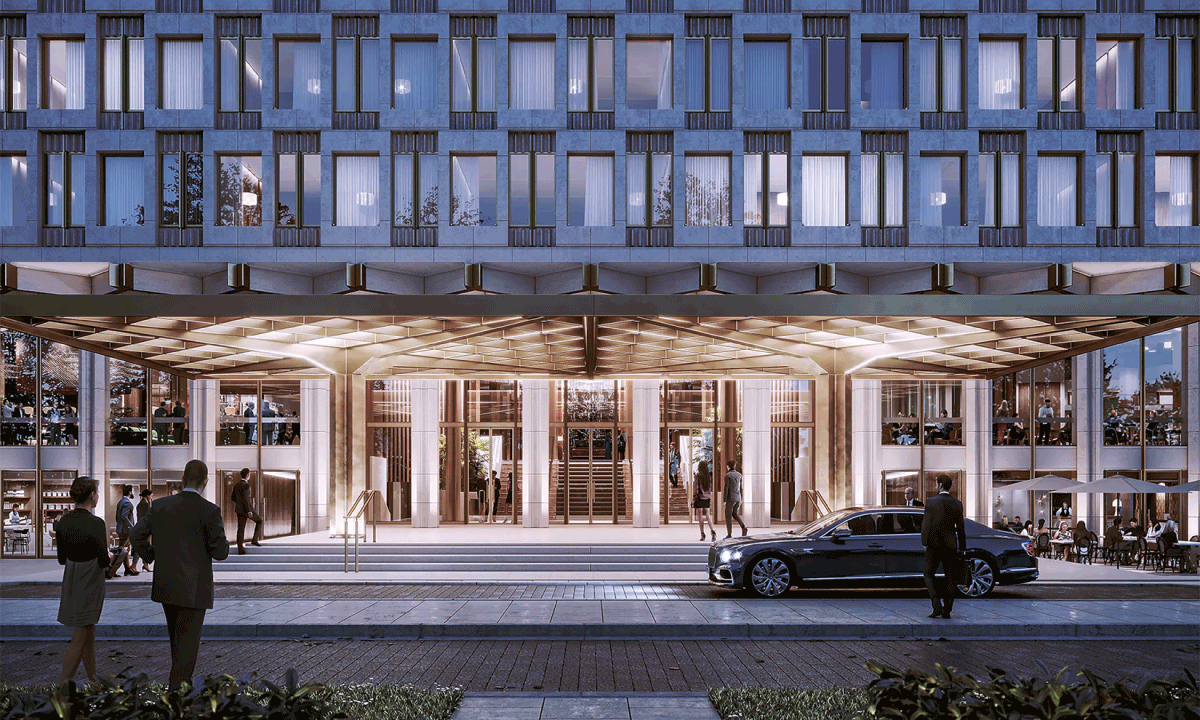
The project moves beyond traditional refurbishment. Instead, it integrates elements that support immersive stays, a concept gaining traction worldwide. Updated interiors, contemporary room configurations, digitally supported services and renovated public areas form the core of the plan. According to the company, the redevelopment aims to align the property with new standards of comfort and functionality expected by international guests who weigh service efficiency, atmosphere and personalization when choosing accommodations.
London remains one of the most closely monitored hospitality markets due to its global connectivity and consistently strong visitor flows. Industry analysts note that the city’s hotel stock requires ongoing reinvestment to stay competitive, especially as travelers compare their stays across various world-class destinations. In this context, Immersive Hospitality Management’s decision sends a signal about ongoing confidence in the long-term performance of metropolitan hotels, even as operators navigate shifting economic and operational pressures.
One of the central components of the redevelopment is the reimagination of communal areas. These spaces are expected to serve as multifunctional zones where travelers work, socialize and unwind. This approach aligns with international trends showing that guests value environments that support hybrid lifestyles, particularly those who integrate leisure and remote work during their trips. The new layout is planned to incorporate improved lighting, open circulation and technology-enabled features intended to create an adaptable and welcoming atmosphere.
Guestroom renovations will prioritize ergonomics, material quality and technological convenience. In many mature hospitality markets, travelers increasingly expect digital room controls, intuitive connectivity and layouts designed for both rest and productivity. Immersive Hospitality Management has stated that these considerations form part of the redesign to ensure the hotel responds well to evolving demand while maintaining operational efficiency. Enhancements to acoustics, climate control and bedding standards are also expected to support higher guest satisfaction levels once the property reopens.
The redevelopment extends to service delivery systems as well. Operational modernization, including updated back-of-house workflows and upgraded digital infrastructure, will play an important role in improving consistency and overall performance. In recent years, industry reports have highlighted the importance of integrating technology into hotel operations to streamline check-ins, optimize maintenance and personalize communication with guests. The London project is positioned to reflect these recommendations, making the property more resilient and adaptable in a competitive landscape.
Beyond functional improvements, the project carries strategic implications for investors and the broader sector. Real estate specialists point out that redevelopment initiatives can unlock additional value when paired with strong location fundamentals and a clear brand concept. London, with its continuous tourism appeal and business activity, remains a key destination for investment in hospitality assets. The project demonstrates how operators aim to sustain relevance by combining financial planning with design and service innovation.
Sustainability considerations are also part of the global conversation around modern hospitality, and while Immersive Hospitality Management has not disclosed full details, industry observers expect that energy efficiency and long-term maintenance factors will be integrated into the redevelopment framework. Expectations in major cities increasingly push hotels to adopt systems that reduce consumption, improve environmental performance and support responsible operations. These standards not only respond to regulatory developments but also attract travelers who prioritize sustainable choices during their stays.
The redevelopment reinforces the growing emphasis on experiential travel. Guests today seek stays that offer memorable moments, distinctive aesthetics and seamless digital support. By repositioning the property around these expectations, the company aims to broaden the hotel’s appeal across leisure, business and mixed-purpose travelers. International tourism forecasts suggest that experience enrichment will continue to be a central element influencing booking decisions, making investments in ambiance, technology and design essential to maintaining competitiveness.
As renovation activities progress, industry professionals will be monitoring the project’s impact on London’s hospitality landscape. The property’s transformation could illustrate how strategic updates enable hotels in mature markets to remain attractive amid rapid global shifts. For Immersive Hospitality Management, the redevelopment represents both a renewal of the asset and a statement about the direction in which modern hospitality is evolving.
The project has already generated interest among travel analysts who view it as evidence of the sector’s continued commitment to innovation. As hotels reconfigure spaces, refine service concepts and leverage technology, the industry’s next phase is becoming clearer. Properties that combine comfort with meaningful experiences and operational adaptability are expected to secure stronger positions in competitive destinations.
London’s redevelopment initiative stands as an indicator of how the hospitality sector is responding to guests’ rising expectations and the need for dynamic environments. When the revamped property welcomes visitors again, it may serve as a reference for future developments aiming to balance functionality, aesthetic identity and experiential value.
Source: Hospitality Interiors
Related Articles

Mental health pressures are reshaping healthcare systems and labor markets worldwide. Advanced psychiatric training is emerging as a critical component of long term global resilience.

Peru’s Beca Emprende Perú expands access to structured business education by covering up to 60 percent of tuition costs. The initiative reflects a broader global shift toward investing in entrepreneurial talent as a growth strategy.

Pediatric nursing is becoming an increasingly important specialization in healthcare systems worldwide. Growing demand for specialized care is driving the need for professionals trained in pediatric health.
Comentarios