
NASA Opens Global Media Accreditation for Artemis II, Advancing Human Spaceflight Education and Innovation
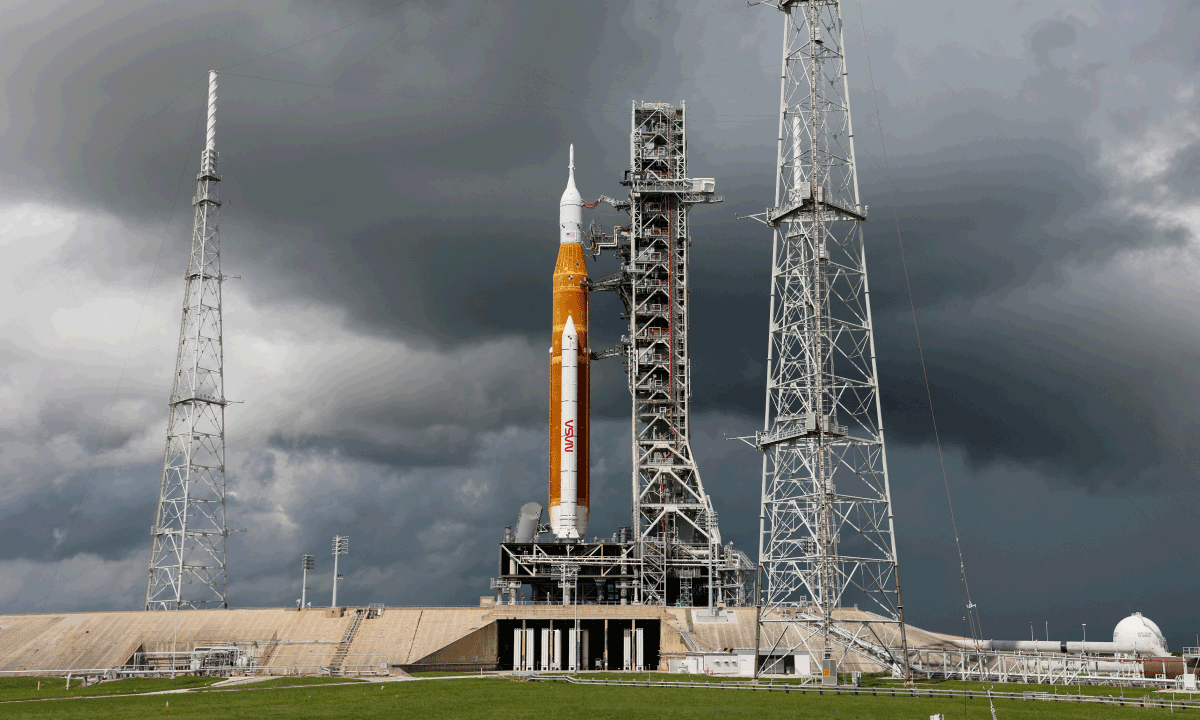
NASA has officially opened global media accreditation for the launch of Artemis II, the first crewed mission of the Artemis program and a defining step in the modern era of deep-space exploration. Scheduled for early 2026 from the Kennedy Space Center in Florida, the mission will send four astronauts on a ten-day journey around the Moon, marking the most significant advance in human spaceflight capabilities since the Apollo program.
Artemis II will carry NASA astronauts Reid Wiseman, Victor Glover and Christina Koch, along with Canadian Space Agency astronaut Jeremy Hansen. The mission will evaluate the performance of the Space Launch System rocket and the Orion spacecraft under operational conditions beyond low Earth orbit. NASA emphasizes that this phase is essential for validating systems that future missions will rely on, especially Artemis III, which will attempt the first human lunar landing of the twenty-first century.
As part of the accreditation announcement, NASA confirmed that the agency is inviting journalists from all regions to participate in one of the most anticipated space events of the decade. The approval process includes security checks and detailed logistical coordination. Even journalists who hold annual credentials for the Kennedy Space Center must apply specifically for the Artemis II launch, reflecting the elevated security and operational standards associated with the program.
The agency expects substantial global interest, not only because Artemis II will test critical technologies but also because the mission represents a milestone for scientific education, international collaboration and innovation-driven research. The program enables universities, research centers and space-focused organizations around the world to follow the mission’s progress closely, integrating real-time developments into curricula, STEM initiatives and advanced technological training.
NASA has highlighted that Artemis II will provide new data on deep-space radiation, communication resilience, propulsion behavior and environmental conditions encountered on long-duration missions. These findings will play a central role in shaping the next generation of engineers, scientists and educators who will engage with human spaceflight in academic and professional settings. For many institutions, the mission’s insights will also support research agendas related to materials science, robotics, life-support systems and space medicine.
The mission’s educational impact is strengthened by its international crew composition. Victor Glover, who will become the first African American astronaut to travel beyond low Earth orbit, and Christina Koch, who will become the first woman to embark on such a mission, represent a transformative moment for inclusion in science and technology. Jeremy Hansen’s participation marks the first time a Canadian astronaut has joined a lunar-orbit mission, reinforcing the global nature of contemporary space exploration.
NASA’s decision to extend accreditation opportunities to media from all regions reflects the agency’s strategy to position Artemis as a program with worldwide scientific influence. The agency has expressed that transparent communication will support global understanding of the mission’s objectives, the engineering challenges involved and the potential long-term benefits for education, innovation and technology transfer.
Preparations for Artemis II are progressing steadily. The Space Launch System is completing the final stages of testing and integration, while the Orion spacecraft undergoes system checks, flight simulations and environmental tests. Engineering teams continue to refine procedures related to mission control, crew operations and safety protocols to ensure that all components perform as expected during the multi-phase flight.
The scientific community is closely observing Artemis II for its potential to reshape research priorities in lunar science and deep-space operations. Universities and laboratories are tracking developments with the expectation that mission data will inform studies related to lunar geology, human adaptation to space environments and the creation of durable technologies for sustained extraterrestrial presence. The mission’s outcomes are expected to influence academic programs for the next decade, expanding opportunities for interdisciplinary study across engineering, astrobiology and applied physics.
Beyond its scientific and educational value, Artemis II carries geopolitical significance. Major space-faring nations, including the United States, China, India, Japan and members of the European Space Agency, are accelerating their lunar strategies. NASA’s progress with Artemis II reinforces the United States’ determination to maintain leadership in human spaceflight and foster cooperative frameworks for the peaceful development of the lunar region. The mission is also viewed by many analysts as a catalyst for innovation, capable of strengthening future industries related to space infrastructure, communication networks and advanced manufacturing.
In the months leading up to the launch, NASA will continue to release updates on mission milestones, pre-launch activities and opportunities for global engagement. The agency anticipates a significant presence of international media at the Kennedy Space Center, reflecting broad public interest in human space exploration and the expanding ecosystem of scientific knowledge linked to lunar research.
Artemis II is expected to redefine modern human spaceflight and amplify global participation in the scientific and educational advancements that accompany it. As the mission progresses toward launch, institutions, researchers and media organizations worldwide are preparing to follow a journey that may shape the direction of space exploration for decades to come.
Source: NASA
Related Articles

Mental health pressures are reshaping healthcare systems and labor markets worldwide. Advanced psychiatric training is emerging as a critical component of long term global resilience.
Peru’s Beca Emprende Perú expands access to structured business education by covering up to 60 percent of tuition costs. The initiative reflects a broader global shift toward investing in entrepreneurial talent as a growth strategy.
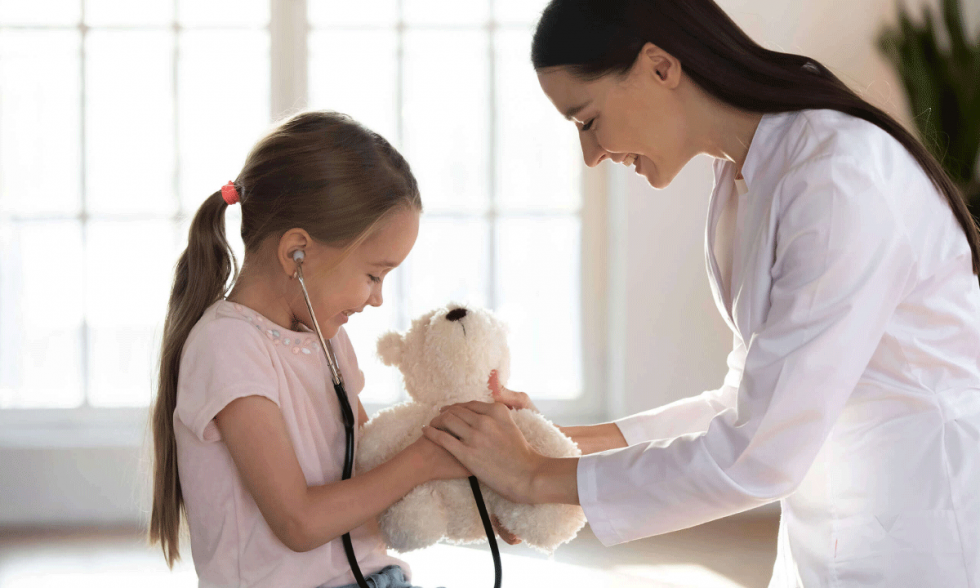
Pediatric nursing is becoming an increasingly important specialization in healthcare systems worldwide. Growing demand for specialized care is driving the need for professionals trained in pediatric health.
Comentarios